1

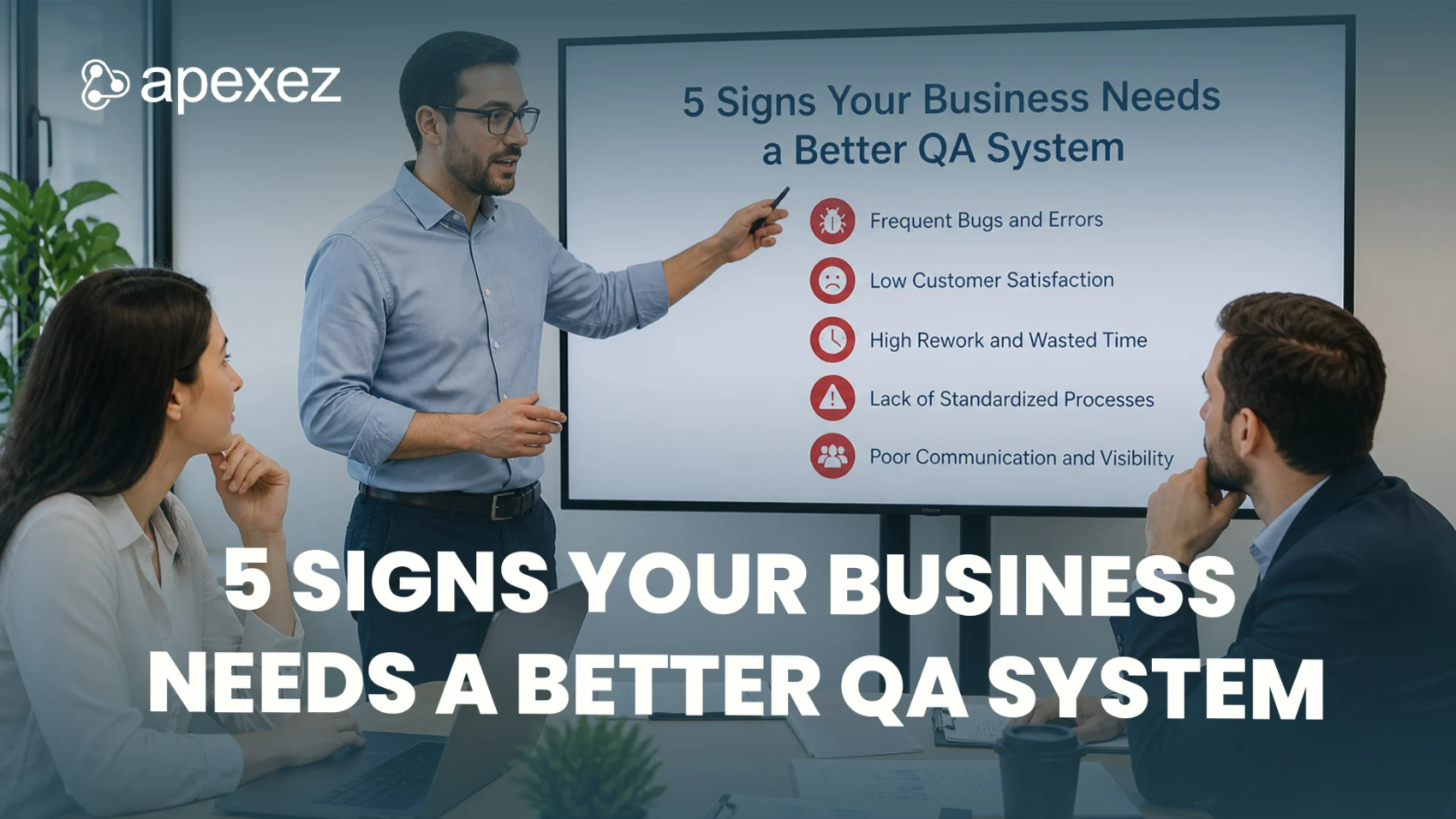
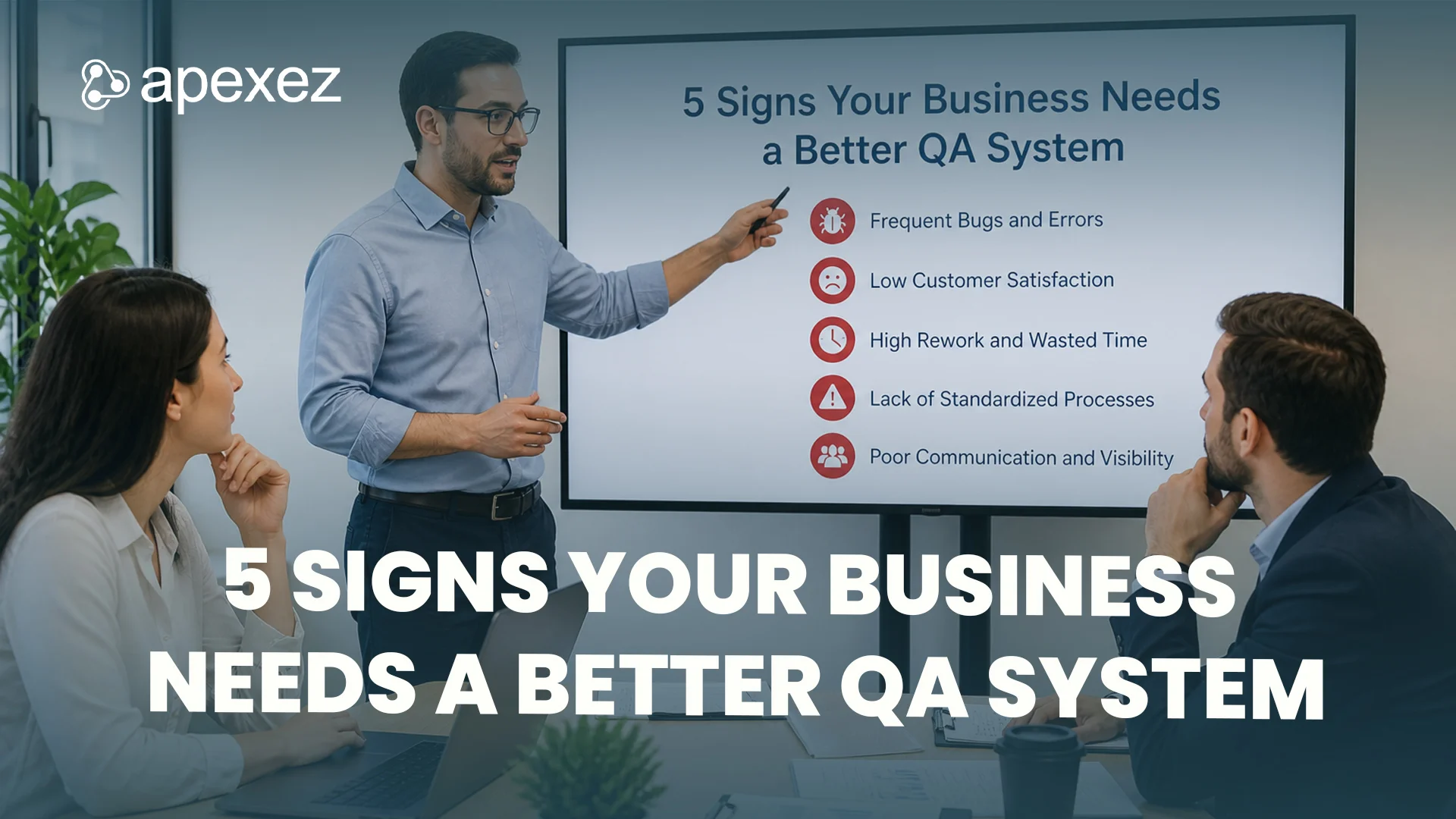
5 Signs Your Business Needs a Better QA System

5 Signs Your Business Needs a Better QA System

In today’s competitive business environment, quality is no longer optional—it is expected. Whether you are managing a product-based company, an e-commerce platform, a service business, or a technology-driven operation, your customers judge your business by the consistency and reliability of what you deliver.

This is where Quality Assurance (QA) becomes essential.

A strong QA system helps businesses maintain standards, reduce costly mistakes, improve customer satisfaction, and protect long-term brand reputation. However, many companies only realize the importance of QA after facing repeated issues.

If your business is experiencing recurring operational problems, it may be time to strengthen your quality assurance process.

Here are five clear signs your business needs a better QA system.

  1. Repeated Customer Complaints

One of the strongest indicators of weak quality assurance is frequent customer complaints.

If customers regularly report:

  • Product defects
  • Delayed deliveries
  • Poor service quality
  • Technical issues
  • Inconsistent experiences

…it means there is a gap in your internal quality control.

Customer complaints should never be treated as isolated incidents. They are often warning signs of deeper operational weaknesses. A proper QA system identifies these issues before they reach the customer.

When businesses focus on prevention instead of correction, customer trust improves significantly.

  1. Inconsistent Product or Service Quality

Consistency builds credibility.

If your customers receive different levels of quality from one order to the next, your brand reliability begins to suffer. This could appear as:

  • Variation in product standards
  • Service quality depending on staff performance
  • Different delivery experiences
  • Unstable website or app performance

Inconsistency creates uncertainty, and uncertainty damages trust.

A better QA system establishes clear standards, measurable benchmarks, and monitoring processes that ensure every customer receives the same high-quality experience.

  1. Rising Operational Costs Due to Errors

Many businesses focus only on revenue growth while ignoring hidden losses caused by preventable mistakes.

These may include:

  • Product returns
  • Rework and corrections
  • Refunds and compensation
  • Wasted materials
  • Staff time spent fixing avoidable issues

These costs silently reduce profitability.

A strong QA framework helps businesses detect problems early—before they become expensive. Prevention is always more cost-effective than damage control.

Better QA means lower waste and higher efficiency.

  1. Lack of Clear Internal Processes

If your team relies too heavily on individual judgment instead of standardized procedures, quality becomes unpredictable.

Signs include:

  • Staff handling the same task differently
  • No documented workflows
  • Frequent communication gaps
  • Delays caused by unclear responsibilities
  • Difficulty training new employees

Without structure, quality depends on luck.

QA systems create repeatable processes, clear accountability, and performance tracking. This improves both productivity and business confidence.

  1. Declining Customer Retention

Acquiring new customers is expensive. Losing existing ones is even more costly.

If customers do not return, the reason is often linked to quality—whether directly or indirectly.

Poor experience leads to:

  • Lower repeat purchases
  • Negative reviews
  • Reduced referrals
  • Weak brand loyalty

Many businesses blame marketing when the real issue is operational quality.

Strong QA improves customer satisfaction, and satisfied customers become long-term business assets.

Retention begins with reliability.

Final Thoughts

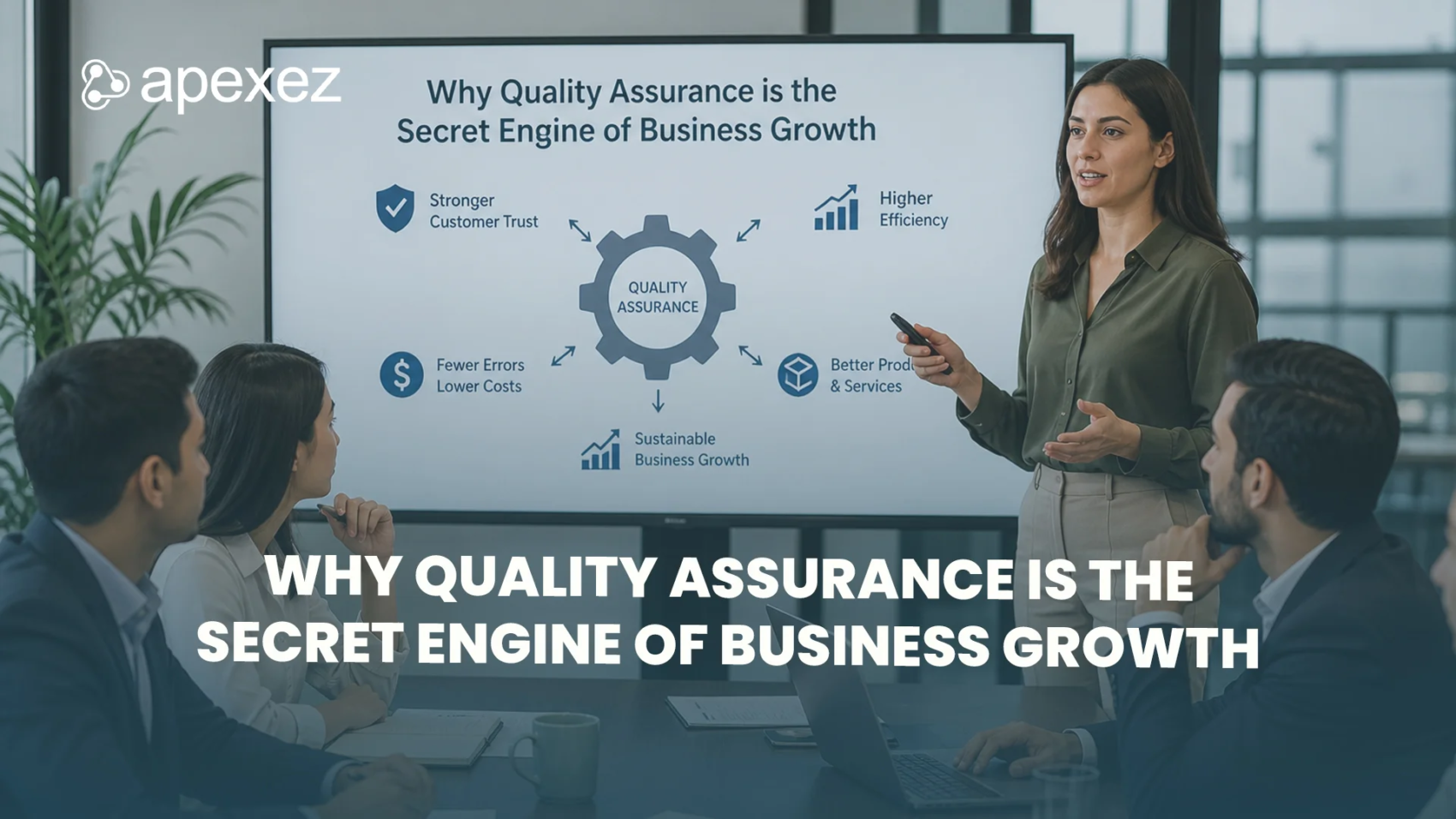
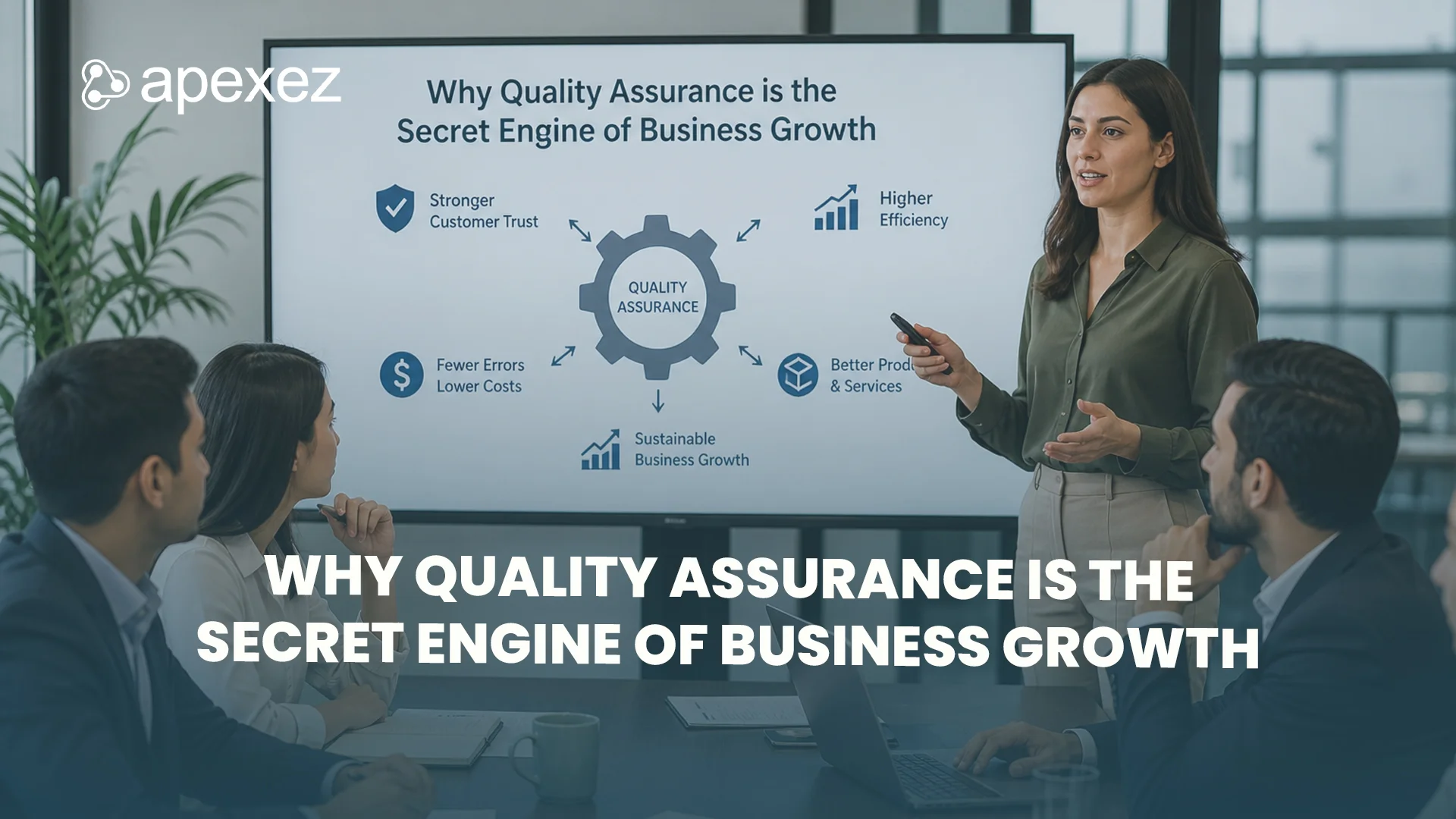
Quality Assurance is not just a technical function—it is a business growth strategy.

A strong QA system helps businesses:

  • Reduce risk
  • Improve efficiency
  • Increase profitability
  • Strengthen customer trust
  • Build a sustainable reputation

If your business is facing repeated complaints, rising costs, inconsistency, or poor retention, it is time to review your QA process seriously.

At Apexez, we help businesses build stronger systems through structured quality assurance solutions that improve performance and protect long-term growth.

Because quality is not an accident—it is a system.

Need Better Quality Control for Your Business?

Let’s identify the gaps and build a smarter QA strategy for your operations.

📩 Connect with Apexez today and strengthen your business from the inside out.

Active Website

Beyond the Landing Page: Why “Static” Websites are Losing Money in 2026

Active Website

Beyond the Landing Page: Why “Static” Websites are Losing Money in 2026

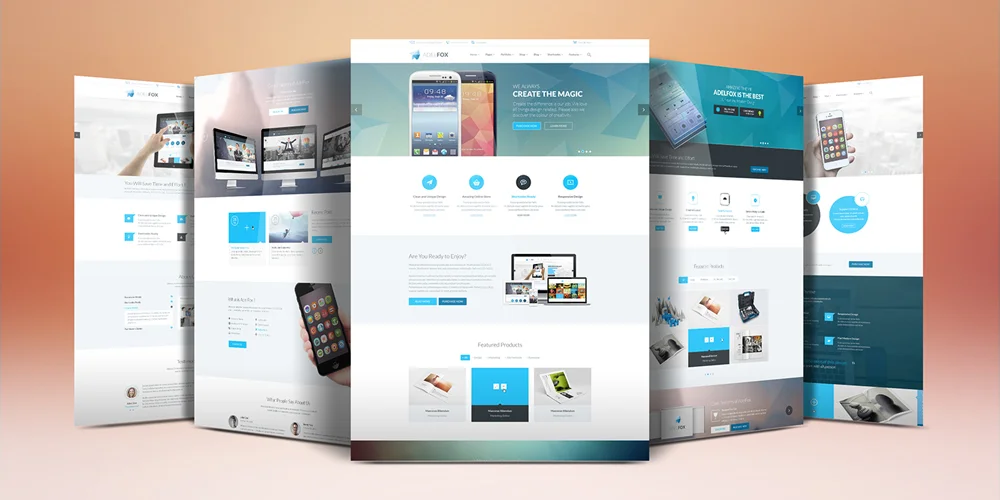
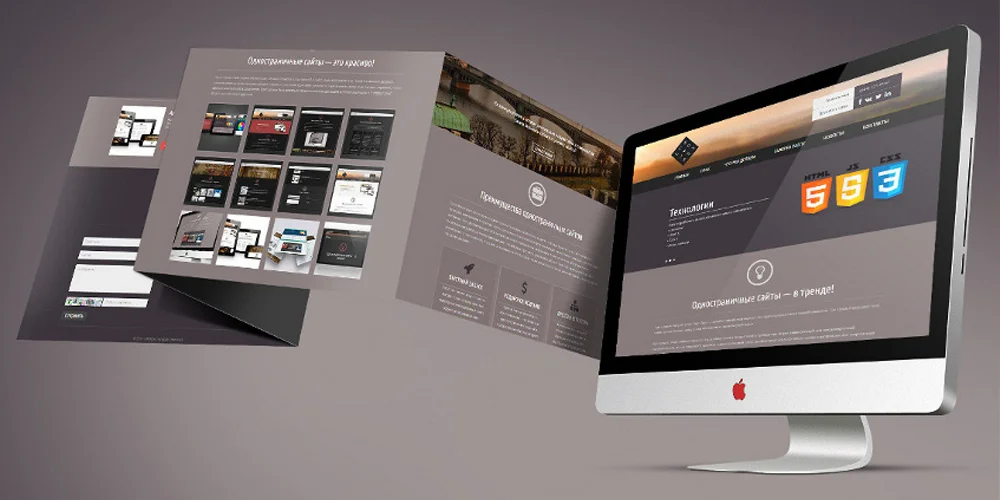
The digital landscape has shifted. If you are still treating your business website as a digital brochure—a “static” collection of images and text that just sits there waiting for someone to call—you are likely leaving a significant amount of revenue on the table.

In 2026, the era of the passive landing page is over. We have entered the age of the Active Website. Today’s high-growth companies don’t just “have” a website; they employ their website as a 24/7 automated salesperson, lead qualifier, and customer service manager.

At Apexez, we’ve seen firsthand how transitioning from a static presence to an integrated digital ecosystem can be the difference between a business that plateaus and one that scales exponentially. Here is why the old way is costing you money, and how to build a site that actually works for you.

The “Digital Brochure” Problem

Ten years ago, having a clean, responsive website was enough to put you ahead of the competition. Today, that is just the “entry fee.” The problem with static websites is that they require the visitor to do all the heavy lifting.

Imagine a customer enters a physical store, and the staff just stands there silently pointing at a catalog. No one greets them, no one answers their questions, and no one helps them find what they need. That is exactly what a static website does.

  • The Bounce Factor: If a user can’t find a specific answer in under 10 seconds, they leave.
  • The Lead Leak: If a user fills out a contact form at 8 PM on a Friday, they won’t hear from you until Monday. By then, they’ve already moved on to a competitor.
  • The Data Blind Spot: Static sites tell you how many people visited, but they don’t tell you who they are or what they almost bought.
The 2026 Shift: The Rise of the Active Website

An active website, or a “sales-optimized ecosystem,” is designed to engage the user the moment they land. It uses Intelligent Conversations and Integrated Systems to bridge the gap between “visitor” and “customer.”

  1. Instant Gratification through AI Chatbots

In 2026, the most valuable currency is time. Integrating an AI-powered chatbot into your web development isn’t just a fancy feature; it’s a conversion necessity.

  • Lead Qualification: Instead of a long, boring form, a chatbot can ask, “What service are you looking for?” and qualify the lead in real-time.
  • 24/7 Engagement: Whether it’s 3 AM in Lahore or 3 PM in New York, your website is actively selling your brand.
  • Instant Answers: “How much is your basic package?” or “Do you offer SEO?” are answered instantly, preventing the user from bouncing to Google to find another provider.
  1. The CRM Connection: No More “Lost” Emails

A website should never be an island. When we build websites at Apexez, we ensure they are the front door to your CRM (Customer Relationship Management) system.

  • Automated Data Entry: Every interaction—every click and every chat—is logged. Your sales team doesn’t have to guess what the customer wants; the data is already there.
  • Nurture Loops: If a visitor looks at your “E-commerce Solutions” page but doesn’t buy, an active website triggers a targeted follow-up email 24 hours later. That is how you turn a “window shopper” into a client.
  1. User Experience (UX) as a Conversion Tool

Modern web development isn’t just about “pretty” design; it’s about Functional Psychology.

  • Frictionless Navigation: Every extra click is an opportunity for a customer to leave. We design interfaces that lead the user’s eye exactly where you want it to go—the “Book Now” or “Buy” button.
  • Mobile-First Everything: With over 80% of traffic in 2026 coming from mobile devices, your site must be more than “responsive”—it must be thumb-optimized and lightning-fast.
Why “Static” is a Business Risk

If your website doesn’t offer a 360° digital experience, you aren’t just missing sales—you are damaging your brand authority.

  • Perceived Obsolescence: If your site feels like it belongs in 2018, customers assume your technology and services are outdated too.
  • Higher Customer Acquisition Cost (CAC): When you spend money on ads to drive traffic to a static site that doesn’t convert, your cost-per-sale skyrockets.
  • The Competitor Gap: Your competitors are likely already using AI and automation. If they respond in 30 seconds and you respond in 3 hours, you lose. Every. Single. Time.
How Apexez Builds the Website of the Future

As your digital growth partner, Apexez doesn’t just “build websites.” We build Revenue Engines. Our approach to modern web development includes:

  • Strategic Mapping: Before we write a single line of code, we map out your customer’s journey from landing to conversion.
  • AI & Automation Integration: We bake intelligent chatbots and automated lead-capture directly into the site’s architecture.
  • Fast & Secure Performance: We use the latest frameworks to ensure your site loads in under 2 seconds, keeping both users and Google’s ranking algorithms happy.
  • SEO-Friendly Structure: We build with a foundation that makes it easy for search engines to find you, ensuring your investment grows over time.

Stop Juggling. Start Growing. It’s time to move beyond the landing page and let your website work as your strongest sales tool.

Website Speed and Customer Trust

The Speed Trust Correlation: Why Your Website’s Load Time is the Invisible Hand of Customer Loyalty

Website Speed and Customer Trust

The Speed Trust Correlation: Why Your Website’s Load Time is the Invisible Hand of Customer Loyalty

In 2026’s digital economy, patience has gone from being a virtue to being a thing of the past. A potential customer will click on your link, but they will also subconsciously use that as a test to measure your trustworthiness. When your website loads in five seconds, you aren’t simply losing one click. You’re also losing the trust of your potential customer.

This is not merely a “tech” issue. It is a major part of every business’ strategy. This is an established relationship that’s been enforced and quantified through Google’s Core Web Vitals. Apexez has found that companies who dominate their Core Web Vitals do not only rank higher; they are able to build longer-lasting, more profitable relationships with their customers.

1. The Psychology of Speed: Why Fast Means Trustworthy

Think about the last time you visited a slow website. Did you think, “This company must be very busy and successful”? Probably not. You likely thought, “This feels outdated, unprofessional, or even unsafe.”

There is a direct correlation between page speed and brand authority. A fast website signals:

  • Competence: You have your digital house in order.
  • Respect: You value your customer’s time.
  • Security: High-performance sites are perceived as more secure than sluggish, glitchy ones.

In 2026, speed is the “digital handshake.” If it’s firm and fast, you’ve started the relationship on the right foot.

2. Decoding Core Web Vitals: The Google “Health Check”

Google no longer ranks websites based solely on keywords. It ranks them on User Experience (UX). Core Web Vitals are the three specific metrics Google uses to measure how “healthy” your user experience is:

LCP (Largest Contentful Paint) – Loading Performance

This measures how long it takes for the main content of your page to appear.

  • The Goal: Under 2.5 seconds.
  • The Reality: If it takes longer, users assume the site is broken and bounce back to the search results.

FID (First Input Delay) – Interactiveness

This measures the time from when a user first interacts with your site (clicks a button or a link) to the time the browser actually responds.

  • The Goal: Under 100 milliseconds.
  • The Reality: High delay makes a site feel “laggy” and frustrating, especially on mobile.

CLS (Cumulative Layout Shift) – Visual Stability

Have you ever tried to click a button, but the page suddenly shifted and you clicked an ad instead? That’s poor CLS.

  • The Goal: A score of less than 0.1.
  • The Reality: Visual instability feels deceptive and drives customers away.
3. How Speed Impacts Your Bottom Line (ROI)

The data is clear: Invest Smart. Grow Faster.  Conversion Rates: A 1-second delay in mobile load times can decrease conversion rates by up to 20%.

  • SEO Dominance: Google’s “Page Experience” update means that if two sites have equal content, the faster site will always win the #1 spot.
  • Customer Retention: People return to sites that are easy and pleasant to use. Speed is the foundation of that “pleasantness.”
4. The Apexez Edge: High-Performance Infrastructure

At Apexez, we don’t just design websites that look good; we engineer them for peak performance. As your 360° digital growth partner, we focus on:

  • Next-Gen Hosting: Utilizing cloud infrastructure that delivers content at the speed of light.
  • Image Optimization: Ensuring your high-res visuals don’t weigh down your load times.
  • Code Efficiency: Stripping away the “bloat” that slows down traditional WordPress or static sites.
  • Mobile-First Engineering: Since the majority of your leads are on their phones, we build for the smallest screen first.
5. Stop Guessing. Start Measuring.

Is your website a “Trust Builder” or a “Bounce Generator”? If you aren’t sure, you’re likely losing money to faster competitors.

Mastering your Core Web Vitals isn’t a one-time task—it’s an ongoing commitment to excellence. When you optimize for speed, you aren’t just pleasing an algorithm; you are honoring your customers.

Don’t let a slow site kill your growth.

Business Analytics for Smarter Decisions

The Power of Data: How Business Analytics Helps Companies Make Smarter Decisions

Business Analytics for Smarter Decisions

The Power of Data: How Business Analytics Helps Companies Make Smarter Decisions

In the modern business landscape of 2026, data is often referred to as “the new oil.” However, oil is useless until it is refined into fuel. For a business owner, data is the raw material, and Business Analytics is the refinery that turns that raw material into the high-octane fuel of growth: Informed Decisions.

There is still a surprising amount of businesses that operate primarily on “gut feeling” and guesswork despite the digital age we live in. Even though there is a place for gut instinct when running a business, relying on it to scale is like trying to fly a plane through a storm without an instrument panel. Throughout this guide, we will examine the business trend of moving away from gut instincts and guesswork into data-driven strategies and how Apexez is leading the way!

The Guesswork Trap: Why Intuition Isn’t Enough

Many businesses, especially SMEs, fall into the trap of “Subjective Management.” They make decisions based on what worked last year, what their competitors seem to be doing, or simply a “hunch” about what the market wants.

The risks of guesswork are high:

  1. Wasted Marketing Spend: Pouring money into platforms because they are “popular” rather than because they convert.
  2. Overstocking or Understaffing: Miscalculating demand leads to tied-up capital or lost customers.
  3. Missing “Invisible” Trends: Ignoring subtle shifts in customer behavior that eventually lead to a total market pivot.

Business analytics replaces the “I think” with “I know.” It moves the conversation from opinions to evidence.

What Does “Business Analytics” Actually Mean?

Business analytics refers to collecting and analysing historical and live (current) data to help improve how we predict and manage business operations; it is not only a look into the information contained in a particular spreadsheet, but rather it is analysing the conditions that led up to the information being reported (i.e., the “What” with respect to the information is explained, but also looking at the “Why” as well). When thinking about analytics we typically look to the following four steps:

  • Descriptive: What happened? (E.g., March sales fell by ten percent).
  • Diagnostic: Why did it happen? (E.g., A competitor had a promotional offer during the same time period).
  • Predictive: What will happen next? (E.g., Trends indicate May will have increased demand).
  • Prescriptive: What should you do? (E.g., Increase your inventory and create a competing promotion).

The 4 Pillars of Data Every Company Should Track

The Four Pillars of Data That Your Company Must Track

If your organization is trying to pivot from guessing to strategy, there are four vital data pillars that will enable a complete 360-degree analysis of your company’s performance.

  1. Sales Performance

Is your sales performance rising? While this is an excellent start, there’s more to consider:

  • Order value average (AOV)
  • Length of sales cycle
  • Customer acquisition cost (CAC)
  1. Customer Behavior

Using data will enable you to read your customers’ minds. This will help you understand their behavior on your website or through your CRM and find out:

  • The reason for churn rate
  • The lifetime value of various customer groups
  • Where your potential customers drop off in the checkout process on your website
  1. Marketing Efforts

A marketing campaign without data analysis is just costly noise. Companies should analyze the following elements of their marketing efforts:

  • Click-through rates (CTR) vs. conversion rates
  • ROI of different channels, such as LinkedIn versus Instagram
  • At what point in the buyer journey the consumer converts
  1. Lead Conversions

As we mentioned in CRM section, lead information is key. You should be measuring:

  • Lead Velocity: How quickly are leads flowing into the funnel?
  • Qualification Rate: What kind of quality prospects do you have based on your marketing efforts, window-shoppers or buyers?
  • Sales Pipeline Velocity: What are the bottlenecks within the sales process?

The Benefits: How Analytics Transforms Operations

When you implement a robust analytics framework, the transformation is felt across every department of the company.

Better Strategy Decisions

Strategy becomes proactive rather than reactive. Instead of fixing problems after they occur, leaders can spot trends and pivot early. For example, if data shows a rising interest in sustainable products in your region, you can adjust your sourcing before your competitors even notice the shift.

Improved Marketing ROI

Analytics allows for “surgical” marketing. Instead of a broad “spray and pray” approach, you can target specific demographics with specific messages at the exact time they are most likely to buy. This drastically reduces wasted ad spend and increases your bottom line.

Identifying Growth Opportunities

Data often reveals “hidden” markets. You might discover that a specific age group is using your product in a way you never intended. This insight could lead to a new product line or a fresh marketing campaign that opens a multi-million dollar revenue stream.

Optimizing Business Operations

Efficiency is the key to scaling. Analytics can highlight inefficiencies in your supply chain, identify which staff members need more training, or show you how to automate routine tasks to save thousands in operational costs.

Invest Smart. Grow Faster with Apexez Analytics

The sheer volume of data available today can be overwhelming. Many businesses suffer from “Analysis Paralysis”—having so much data they don’t know where to start.

That is where Apexez comes in. We don’t just give you a dashboard; we give you clarity. Our 360° digital solutions include:

  • Custom Data Dashboards: Visualizing your KPIs in real-time so you can see your business health at a glance.
  • Predictive AI Modeling: Using machine learning to forecast your sales and inventory needs.
  • Competitor & Market Insights: Tracking external data to ensure you are always one step ahead.
  • Integrated CRM & Analytics: Ensuring your sales team has the data they need to close deals faster.

The future belongs to the informed. In 2026, the companies that win aren’t necessarily the ones with the most capital; they are the ones with the most insight.

Blog Image 2

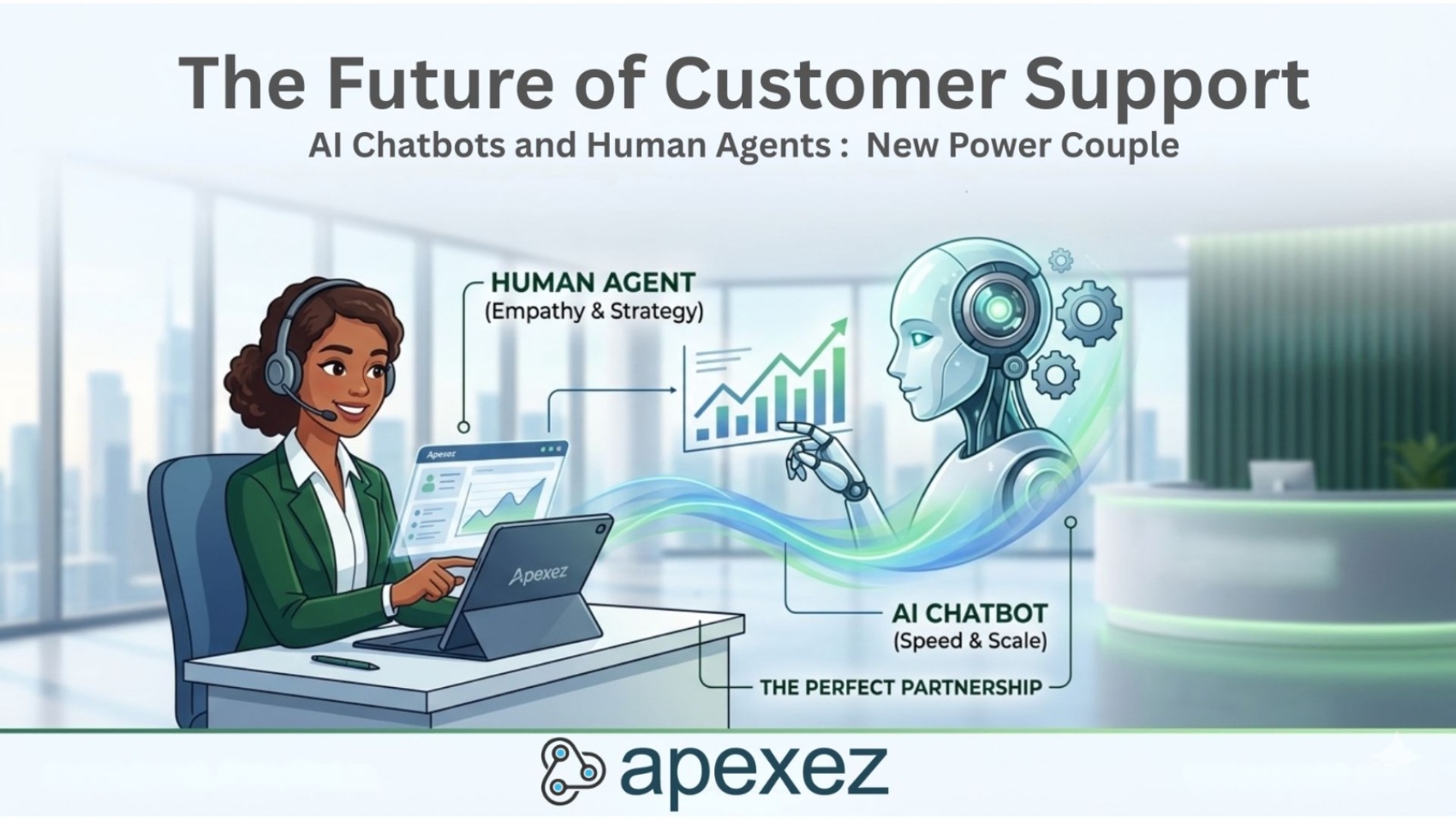
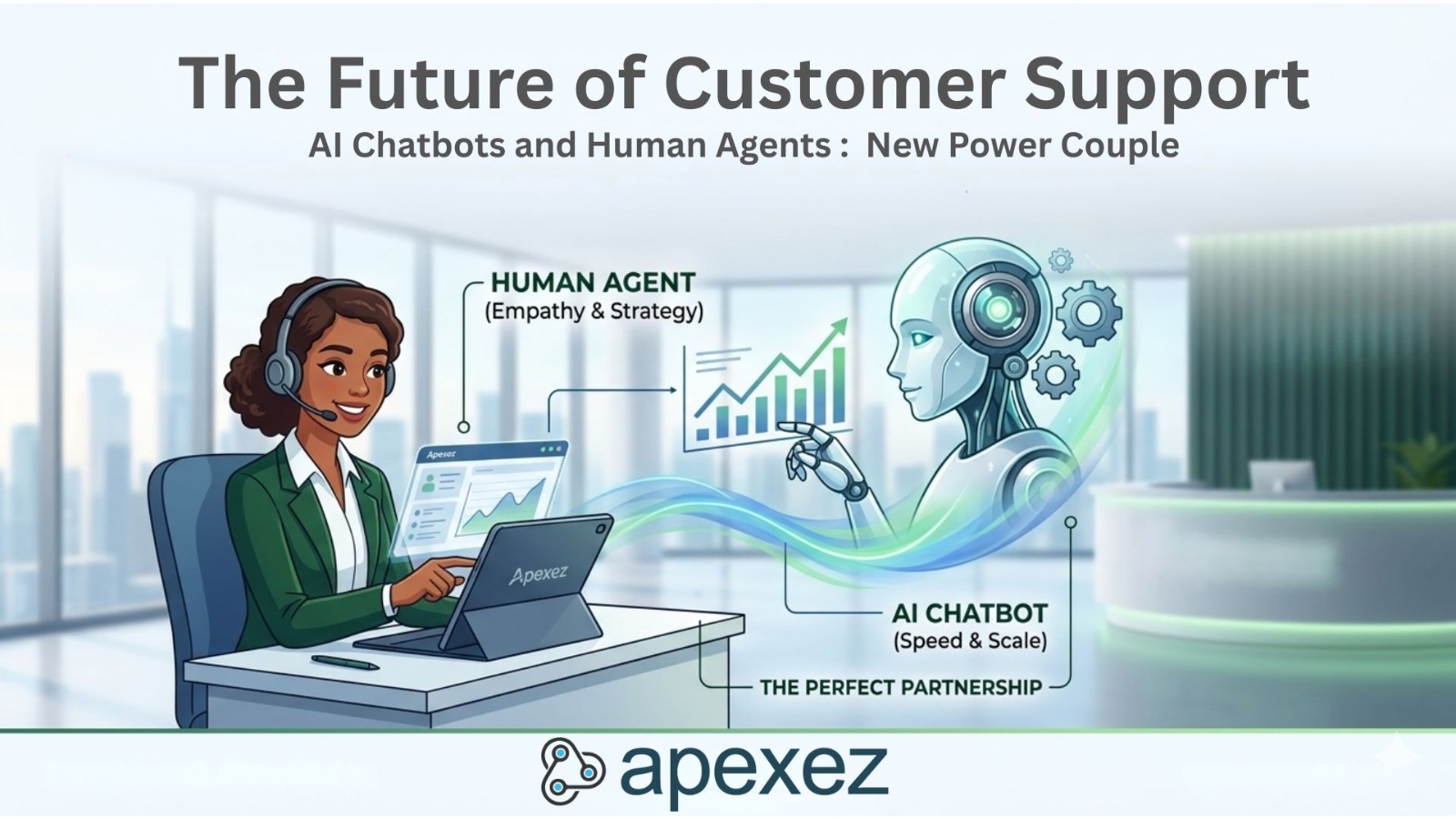
The Future of Customer Support: Why AI Chatbots and Human Agents are the New Power Couple

The Future of Customer Support: Why AI Chatbots and Human Agents are the New Power Couple

In the fast-paced digital landscape of 2026, the phrase “please hold” has become the ultimate business deal-breaker. Today’s customers don’t just want answers; they want them now, and they want them to be accurate. This shift has ignited a massive debate: Should businesses go all-in on AI chatbots, or is the human touch still irreplaceable?

The truth isn’t found in choosing one over the other. The future of elite customer support lies in a strategic partnership where technology handles the volume and humans handle the heart.

The Evolution of Customer Support

We’ve come a long way from the days of massive call centres and “9-to-5 only” support hours. Support evolved from physical mail to landlines, then to email, and eventually to live chat. However, even live chat had a flaw: it required a human on the other end at all times.

Enter the Intelligent Virtual Agent. Unlike the clunky, script-based bots of the past, today’s AI-powered assistants understand context, tone, and intent, marking the biggest leap in service history.

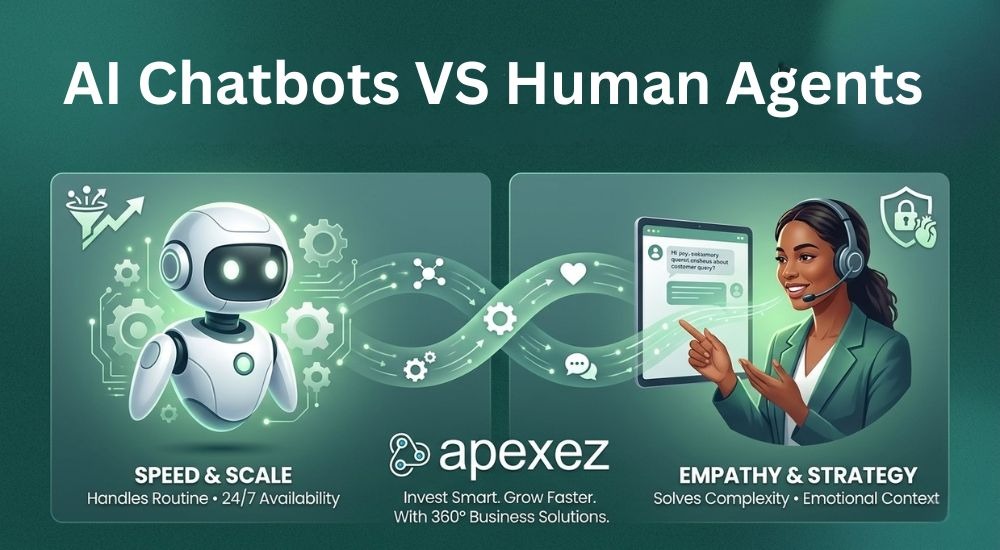
AI Chatbots vs. Human Agents: A Comparison

To understand how to “Invest Smart,” we have to look at the unique strengths of both players:

Feature

AI Chatbots

Human Agents

Availability

24/7/365 without breaks.

Subject to shifts and fatigue.

Response Time

Instant (millisecond range).

Minutes to hours depending on queue.

Scalability

Can handle 10,000+ chats at once.

Limited to 2–3 chats simultaneously.

Complexity

Best for FAQs and routine tasks.

Essential for empathy and “gray area” logic.

The Benefits of AI-Powered Support

Implementing an AI chatbot for business isn’t just a tech upgrade; it’s a financial strategy.

  • Cost Efficiency: Automating routine queries (like tracking an order or resetting a password) reduces the need for a massive support team.
  • Zero Wait Times: Instant engagement keeps customers from bouncing to a competitor’s site.
  • Data-Driven Insights: AI tracks every interaction, telling you exactly what your customers are struggling with in real-time.
AI Chatbots for Customer Support

Industries Already Leading the Charge

From real estate to retail, virtual agents for companies are becoming the standard:

  • E-commerce: Handling returns and product recommendations.
  • Real Estate: Qualifying leads and booking property viewings instantly.
  • Healthcare: Managing appointment scheduling and basic symptom checks.

How Apexez Builds Your Intelligent Virtual Agent

At Apexez, we don’t believe in “one-size-fits-all” bots. We build automated customer service systems that are deeply integrated into your specific business DNA.

As your 360° digital growth partner, we focus on:

  1. Natural Language Processing (NLP): Ensuring your bot sounds like a professional member of your team, not a robot.
  2. Seamless Handoffs: If a situation gets complex, our AI smartly transitions the conversation to a human agent with a full transcript of the chat.
  3. Continuous Learning: Our agents get smarter with every conversation, constantly refining their accuracy to help you Grow Faster.

Stop Juggling. Start Growing. The question isn’t whether you need AI, but how fast you can implement it to stay ahead of the curve.

Baanner

5 Reasons Your Business is Losing Customers Without AI Automation in 2026

5 Reasons Your Business is Losing Customers Without AI Automation in 2026

In 2026, the gap between businesses that use AI and those that don’t has become a canyon. With 80% of routine customer interactions now handled by AI globally, customers no longer have the patience for “Please hold” or “We will get back to you in 24 hours.”

If your business is still relying on manual data entry and traditional support queues, you aren’t just slowing down—you’re becoming invisible.

  1. 24/7 Availability is the New Standard

Modern consumers shop at 2 AM and expect answers at 2:01 AM. An AI agent doesn’t take lunch breaks or sleep. By implementing Conversational AI, you ensure that every lead is captured the moment they land on your site.

  • The Apexez Edge: Apexez provides smart virtual agents that offer 24/7 coverage, ensuring you never miss a Pakistani or international lead due to time zone differences.
  1. Hyper-Personalization at Scale

Generic responses are the fastest way to lose a customer. Today’s AI can analyze purchase history and sentiment in real-time to offer tailored recommendations.

  • How Apexez Helps: Our AI solutions integrate with your CRM to recognize returning customers, greeting them by name and suggesting products based on their unique preferences.
  1. Slashing Operational Costs by 30%

Scaling a human support team is expensive. Between hiring, training, and office overhead, the costs add up. AI allows you to handle 10x the volume without increasing your headcount.

  • The Apexez Edge: We specialize in Agentic AI—bots that don’t just “talk” but actually “do.” From processing refunds to updating shipping addresses, Apexez automates the “grunt work,” allowing your human team to focus on high-value strategy.
  1. Eliminating Human Error in Data Management

Manual data entry is prone to mistakes that cost money. Whether it’s an incorrectly logged order or a missed follow-up, AI provides a level of precision humans simply can’t match at high speeds.

  • How Apexez Helps: Apexez systems are built for accuracy, ensuring every interaction is logged correctly and every workflow is executed flawlessly, from lead qualification to final sale.
  1. Multilingual & Omnichannel Reach

Your customers are on WhatsApp, Facebook, Instagram, and your website. Managing these silos manually is a nightmare.

  • The Apexez Edge: We provide a unified Omnichannel experience. A customer can start a chat on WhatsApp and finish it on your website without ever having to repeat their problem. Plus, our bots understand the nuances of local languages, making them perfect for the diverse Pakistani market.

Conclusion: Don’t Just Survive Scale with Apexez

The future of business isn’t just about having a website; it’s about having an intelligent ecosystem that works while you sleep. Apexez is the bridge between your current operations and the automated future.

AI-powered marketing

How AI-Powered Marketing is Transforming Small Businesses in 2025

AI-powered marketing

How AI-Powered Marketing is Transforming Small Businesses in 2025

By the year 2025, there is a very competitive digital environment where the old marketing techniques are no longer effective in small businesses. Customers have demands to receive an immediate feedback, an individual experience, and a smooth service. That is where AI-driven marketing comes of changing how companies communicate, nurture and convert leads. Firms such as Apexez allow small businesses to use automation, intelligent analytics, and thoughtful, outreach to convert clicks into customers, which was previously the preserve of large companies. This in-depth book examines how AI is changing marketing and small businesses, what tools are making them successful and what steps need to be taken today to put it into practice.

  1. Why AI Matters for Small Businesses in 2025

1.1 Faster Decision-Making and Smarter Growth

Small business has to make rapid decisions so as to keep up with the competition. AI delivers immediate clues on customer behaviours, advertising, and emerging trends in the market. Businesses no longer wait to make educated guesses in which campaigns to use to facilitate the growth process.

1.2 Improved Efficiency and Reduced Costs

AI now supports repetitive marketing tasks, (such as lead scoring, automated follow-ups, and audience segmentation) so that business owners and small teams can concentrate on sales and strategy.

  • Automated workflows deprive them of hours per week
  • Predictive lead scoring makes sure energy is utilized on the promising prospects.
  • Dynamic content building makes the involvement of other large marketing units reduce.

2. AI Tools That Turn Clicks into Clients

The scope of AI-powered marketing entails entire sales funnel, which ranges between attracting attention, converting, and retaining customers. These are the best tools:

2.1 Smart Chatbots & Virtual Assistants

AI-powered marketing

Instant response to the frequently asked questions

Send the data of visitors to be used in future campaigns. In case of a small business, more leads, quicker engagement with customers and increased customer satisfaction is the result of it without the need to hire more employees.

For small businesses, this means more leads, faster engagement, and higher customer satisfaction without hiring additional staff.

2.2 Predictive Lead Scoring & Segmentation

The customer behaviour patterns, the visits to the site by the customers and the interactions with them in the past are used in the analysis to help AI to forecast what leads would most likely convert.

Benefits include:

  • Sorting high-value prospects
  • Segmenting leads based on intent
  • Eliminate wasted time on low-quality leads

This ensures sales teams focus where it matters most, increasing conversion rates.

2.3 Generative Content & Personalized Campaigns

The tools that are driven by AI can now be used to provide personalized email, social media and landing-page content that is based on user actions. Customized campaigns will translate into:

  • Increased open rates and click through rates
  • Bigger involvement with social sites
  • Professional brand presence which is maintained on a regular basis.

Even the small enterprises could appear and act as large branded companies without staffing up hefty creative departments.

2.4 Predictive & Sentiment Analytics

AI is not only useful in content creation but it also examines the emotions and reactions of the audiences. Sentiment analysis assists companies:

  • At detecting early signs of dissatisfaction
  • Adapt provides real-time offers or messaging
  • Maximise on great impacting campaigns

The approach opens up opportunities to improve over time and to yield better ROI on the marketing activities that would be orchestrated.

3. AI Marketing Across the Customer Journey

AI enhances every stage of the marketing funnel:

Funnel Stage

AI’s Role

Business Impact

Awareness

Personalized ads & social targeting

Lower ad spend, higher relevance

Interest

AI chatbots & dynamic email nurturing

Stronger engagement, faster responses

Decision

Predictive offers & real-time recommendations

Smarter pricing, better conversion rates

Retention

Loyalty campaigns, sentiment & churn analysis

Higher customer lifetime value


4. Real-World Benefits for Small Businesses

Small and medium business: AI marketing brings tangible performance gains:

More Conversions: A quicker lead response and personalization mean more sales.

Low Medium of Marketing: Automation enables automation of tedious functionalities.

Improved Customer Insights: AI analytics recognize trends to make smarter strategy.

Saving on time: Company owners will be able to concentrate on growth rather than micromanagement.

Think of AI in a local boutique store: It uses a website chatbot that welcomes all visitors, responds to size and stock questions and collects emails. AI email campaigns automatically remind the customers who have not gone through with the purchase. The use of predictive analytics contributes to determining which items have to be stocked in advance so that the demand increases before they are purchased.

The result? Greater sales and repeat customers as well as less operational stress.

5. Common Myths About AI in Marketing

Despite its benefits, AI adoption still faces hesitation. Here are the top misconceptions:

Myth 1: AI Will Replace Human Creativity

AI is not a substitute, but an instrument. It will deal with the data and routine jobs, whereas human beings will concentrate on strategy, narrative and empathy.

Myth 2: AI is Only for Big Businesses

Such AI tools as chatbots, automated CRMs, and social schedules are affordable to small businesses now.

Myth 3: AI is Too Complicated

Software, such as Apexez, has the added advantage of AI features in an easy to use dashboard meaning that regular users can enjoy the technology.

6. How Apexez Empowers Small Businesses

Apexez is a full suite of digital growth where IT, AI, and marketing automation are combined to make businesses grow quicker. Apexez gives you:

AI-Powered CRM to track leads and customers

Chatbots & Automation for 24/7 engagement

Website & E-commerce Development optimized for conversions

Marketing Automation for social media, emails, and ad campaigns

As a local start up or a large business, Apexez enables you to convert each click, into a paying customer.

7. Your AI Marketing Adoption Roadmap

  1. Find the Marketing Bottlenecks – Find out where leads are leaking.
  2. If You Are a Newbie, Start Small, a single item such as chatbots or AI email automation.
  3. Track Results- Track how engaging, converting, and time-blown.
  4. Grow Steadily -Introduce predictive analytics and content automation.
  5. Optimize throughout the flow-let data be your next step.

Following these steps ensures smooth integration and maximum ROI.


Conclusion:

Types of marketing that use AI are not a thing of tomorrow anymore; they are a viable way that would help a small business grow in the year 2025. With collisions of speed, personalization, and automation, the AI will assist the companies:

Generate more leads

Market to the prospects well

Make the click counts to loyal customers

 In the case of small businesses, collaborating with Apexez is equivalent to working smart, not hard or succeeding on a competitive digital economy.

CRM Mistakes 2025

Introduction Why CRM Blunders Hurt More in 2025

CRM Mistakes 2025

Introduction Why CRM Blunders Hurt More in 2025

Customer‑relationship management (CRM) software has grown from a nice‑to‑have sales tracker into the nerve center of modern, data‑driven companies. Analyst surveys estimate the global CRM market will top US $97 billion by the end of 2025, with more than 90 percent of organisations already using one platform. If those numbers sound impressive, remember they come with a hidden warning: the more teams rely on CRM data to shape strategy, the more devastating it becomes when that data is muddled, mis‑used, or locked inside an under‑loved system.

After reviewing dozens of retail, B2B services, and real estate implementations over the last ten years, I’ve seen the same errors repeat themselves time and again. They blow budgets, anger frontline staff, and quietly destroy customer trust. Here are nine of the most prevalent—and expensive—missteps, accompanied by real-world remedies you can implement this quarter.

Mistake #1: Treating CRM Like a Fancy Rolodex

A considerable number of companies continue to purchase a platform simply to replace spreadsheets or Outlook contact folders. They import a list of accounts, show sales reps how to log calls, and consider it done. What they lack is the 360‑degree view of the customer—the capacity to monitor post‑sale activity, support cases, recurring invoices, and marketing touchpoints within a single timeline.

Quick fix: Define your CRM as an ecosystem, not a filing cabinet. Chart all customer-facing workflows (pre-sale, fulfillment, service, renewals) and determine which records, automations, and reports each group requires. Then configure modules or custom objects accordingly.

Mistake #2: Skipping a Data‑Hygiene Plan

Dirty data is the silent killer of customer insight. Duplicate records inflate pipelines, stale phone numbers bounce SMS campaigns, and orphaned deals skew forecasting. According to Forrester, 74 percent of companies aspire to be data‑driven, yet only 29 percent know how to leverage their CRM effectively rhythmagency.com.

Quick fix:

  1. Define a single source of truth. Decide which system—CRM, ERP, or billing—owns each field.
  2. Automate validation. Most platforms let you force unique email/phone values or trigger duplicate‑check rules.
  3. Schedule spring‑cleaning. Run enrichment and de‑duplication jobs at least quarterly; more often if you have high inbound volume.
  4. Reward clean data. Show reps how accurate records translate into higher close rates or faster commissions.


Mistake #3: Over‑Customising on Day One

When your vendor says, “We can make the software do anything,” resist the urge to do everything. Over‑engineered fields, convoluted page layouts, and dozens of disconnected automation rules quickly create technical debt. New users drown in clutter; admins dread every upgrade.

Quick fix: Adopt a crawl‑walk‑run roadmap. Launch with the core object model, five to ten must‑have fields, and a basic deal pipeline. Gather feedback for 90 days, then iterate. Most mature teams implement advanced AI lead‑scoring or multi‑touch attribution only after hitting data‑quality KPIs.

Mistake #4: Neglecting Change Management & Training

Software never changes behaviour; people do. Yet companies often spend six figures on licenses and integrations while skimping on enablement. The result? Low login rates and shadow spreadsheets.

Quick fix:

  • Run role‑based workshops with real scenarios, not generic slide decks.
  • Nominate “power users” in each department as peer coaches.
  • Tie usage metrics (logins, fields completed, activities logged) to performance reviews for the first six months.

A 2025 research report found 53 percent of sales professionals expect improved sales efficiency to drive revenue next year—yet only if marketing and customer‑success teams align on the same process.

Mistake #5: Ignoring Mobile & AI‑Powered Features

Today’s reps close deals from the back of a ride‑hailing car or between property showings. If your CRM doesn’t load quickly on a smartphone, expect gaps in activity logs. Equally dangerous is treating AI tools—automatic call transcripts, predictive deal scores, suggested next‑best‑actions—as gimmicks. Competitive teams are already baking them into workflows.

Quick fix: Audit where your staff actually work. If coverage involves site visits or field sales, prioritise a native mobile app with offline sync. On the AI front, test one high‑impact feature (e.g., meeting‑note summaries) and quantify the time saved before rolling out more.

Mistake #6: Failing to Define Success Metrics Up Front

“Implement CRM” is not a goal; “reduce average sales‑cycle length by 15 percent” or “increase renewal rate from 80 to 88 percent” are. Without a North Star, teams gravitate toward surface‑level vanity metrics—total leads imported, dashboards built, automations triggered.

Quick fix: Pick three business objectives tied to revenue or customer experience. Each should have a baseline, a target, and an owner. Review progress in your monthly business‑review meeting. This clarity helps justify the TCO and ensures your CRM doesn’t become a dusty digital warehouse.

Mistake #7: Letting Integrations Slide Until “Phase 2”

A CRM cut off from marketing automation, help‑desk, and accounting tools can’t surface the insights leaders crave—customer lifetime value, churn signals, or campaign ROI. Yet many IT teams postpone API or iPaaS work, thinking they’ll tackle it after launch. Spoiler: they rarely do.

Quick fix: Adopt the three‑stream method when planning integrations:

  1. Data in (inbound leads, form fills)
  2. Data out (invoices, deliveries)
  3. In‑flight context (support tickets, usage logs)

Prioritise at least one high‑impact integration per stream for your go‑live date, even if other endpoints wait.

Mistake #8: Forgetting About Scalability & Governance

Start‑ups often grab the cheapest plan, cram everything into a single admin account, and celebrate. Six quarters later, security auditors raise eyebrows, and managers discover role hierarchies can’t cope with a 100‑rep org.

Quick fix: Select a platform that allows you to overlay permissions, sandboxes, and automation limits as you scale. Write a concise governance charter: who can add new fields, release note ownership, and how feature requests are decided. It sounds bureaucratic—but not nearly as painful as a full‑scale re‑implementation.


Mistake #9: Underestimating the Cost of Doing Nothing

Some leaders weigh the price‑tag of licenses and consultants but ignore the hidden cost of un‑optimised customer data: missed upsells, slow response times, and the reputational damage of mis‑addressed emails. Research shows companies using CRM report a 27 percent boost in customer retention and a 14 percent higher click‑through rate on personalised campaigns crm.org. Those gains compound year over year.

Quick fix: Build a back‑of‑the‑napkin ROI model using historical churn, average deal size, and customer‑lifetime value. Even conservative estimates usually eclipse subscription fees within 12 months.

A Quick Self‑Audit Checklist

Area

Ask Yourself

Red Flag

Ownership

Who owns CRM strategy—IT, Sales Ops, or a cross‑functional council?

“Everyone and no one.”

Data Quality

Do you have duplicated or incomplete records above 5 percent?

Reports never match finance.

Adoption

What percentage of reps log activities daily?

Under 70 percent.

Integrations

How many systems push or pull data in real‑time?

Zero or delayed batch‑imports.

AI Readiness

Are you piloting any AI scoring or assistive writing tools?

“Maybe next year.”

Pulling It All Together

Avoiding these nine mistakes is less about flawless technology and more about disciplined leadership:

  1. Start small, think big, iterate fast.
  2. Invest in people and process before revisiting feature lists.
  3. Treat clean data like fresh inventory—worthy of regular stock‑takes.
  4. Measure what matters and celebrate wins early and often.

The payoff? A CRM that doesn’t merely store information but actively amplifies every customer touchpoint—turning raw data into revenue, loyalty, and competitive edge.


Final Thoughts

In 2025, business leaders who still view CRM as a nice-to-have are battling the last war. Customers want hyper personalised experiences, field reps want to see context in an instant, and investors want pipeline metrics based on clean, real time information. Sailing the data goldmine isn’t about choosing the shiniest tool; it’s about avoiding these familiar pitfalls and making insight into action—before your competition does.
Ready to future-proof your CRM? Block out two hours this week to conduct a candid self-audit based on the checklist above. Your sales organization—and your bottom line—will thank you.

All-in-One Digital Growth Partner

Why Every Business Needs an All-in-One Digital Growth Partner

All-in-One Digital Growth Partner

Why Every Business Needs an All-in-One Digital Growth Partner

Let’s be honest: running a business today is no joke.

You’re juggling everything — websites, social media, ads, customer queries, IT glitches, branding headaches, sales funnels, and somehow still trying to grow. Most days, it feels like you’re putting out fires instead of building the business you dream of.

Sound familiar?

That’s exactly why more and more companies are turning to all-in-one digital growth partners — not just for convenience, but for sanity, speed, and scalability. In this post, we’ll break down what that actually means, why it matters more than ever in 2025, and how a partner like Apexez can genuinely transform the way you work.

The Problem: Too Many Vendors, Too Many Gaps

Let’s say you’ve hired one agency for your website, another for social media, a freelancer for branding, a random guy to manage ads, and someone else doing tech support on WhatsApp. Sounds normal, right?

Until you realize:

  • No one talks to each other
  • Your brand voice is all over the place
  • Your marketing doesn’t connect with your sales funnel
  • There’s zero reporting or accountability
  • You’re constantly managing everyone, instead of them managing your growth

This fragmented approach slows you down. Worse, it costs you money — not just in invoices, but in missed opportunities.

What is a Digital Growth Partner?

A digital growth partner isn’t just a vendor — it’s a team that takes ownership of your digital presence, performance, and potential.

It’s one partner that:

  • Builds your website
  • Sets up your CRM & automation
  • Handles your social media & ads
  • Designs your brand identity
  • Tracks performance, optimizes, and grows with you

Instead of managing 5 different service providers, you collaborate with one strategic team that’s aligned with your business goals.

Why “All-in-One” Matters (Now More Than Ever)

We’re living in a time where digital-first isn’t optional — it’s survival. And yet, most businesses are still trying to “glue” systems together.

Here’s what a real all-in-one solution looks like — and why it’s a game-changer:

  1. Unified Strategy = Better Results

Your brand, content, ads, and backend tech should speak the same language. When one team handles everything, there’s no misalignment. Your campaigns are consistent, your visuals are cohesive, and your messaging clicks.

  1. Faster Execution

No need for long email chains between five vendors. A single team working in sync means faster turnarounds, quicker launches, and less stress.

  1. Centralized Reporting

Imagine one dashboard showing you leads, sales, ad performance, website traffic, and CRM activity — all in one place. That’s not a dream. That’s what Apexez builds.

  1. Cost-Efficient (Really)

It may seem cheaper to hire different people for different jobs — but in reality, all those gaps, delays, and poor coordination cost more. A single partner reduces overheads and multiplies impact.

What Apexez Brings to the Table

At Apexez, we get it. Most businesses don’t want more tools. They want less hassle — and more results.

That’s why we’ve built a model that brings IT, design, content, automation, and performance marketing under one roof.

Here’s how we help businesses like yours grow:

🔹 Web & App Development

From landing pages to large portals — custom-coded or CMS-based — built with performance, SEO, and UX in mind.

🔹 CRM & Automation

Stop missing leads. We set up smart CRM systems that auto-assign leads, schedule follow-ups, and give you full pipeline visibility.

🔹 Social Media & Content Marketing

Monthly calendars, daily posts, reels, visuals — tailored to your brand tone and market.

🔹 Paid Advertising

We run data-backed campaigns on Google, Facebook, Instagram, and LinkedIn that actually bring in leads (not just likes).

🔹 Branding & Design Studio

Logo. Brand kit. Pitch decks. Story highlights. Creatives that make your business look and feel professional.

Real Talk: What Our Clients Say

“Before Apexez, we were chasing 3 different people just to run one campaign. Now everything works together — and we’re actually seeing results.”
— Head of Marketing, Urban Enclave

“I thought having a website and a Facebook page was enough. But once we switched to Apexez’s full-service model, we understood what real digital growth means.”
— Co-Founder, Noor Jahan Women’s Wear

Is It Right for You?

If you’re a startup, SME, or even a growing brand trying to:

  • Save time
  • Stop managing multiple vendors
  • Build a stronger online presence
  • Automate your sales
  • Actually see ROI from your marketing spend

Then yes, a digital growth partner is exactly what you need.

The Bottom Line

You don’t need to do everything on your own. And you definitely don’t need to keep paying different people to deliver disconnected results.

It’s time to stop patchworking your digital journey — and start scaling it with a partner who gets the full picture.

That’s Apexez. That’s what we do.

Let’s talk. Let’s grow. Let’s make digital simple, powerful, and profitable — together.

IT infrastructure support

Reliable IT Support Services for Seamless Business Operations

IT infrastructure support

Reliable IT Support Services for Seamless Business Operations

IT support services are the cornerstone of any business, particularly in the modernized world of today. Whether you’re a small startup or a large enterprise, having a reliable IT support system is crucial for maintaining productivity, ensuring data security, and providing a seamless user experience. This article delves into the various aspects of IT support services, their importance, types, and best practices to maximize their benefits.

The Importance of IT Support Services

Managed IT services
Ensuring Business Continuity

One of the primary reasons businesses invest in IT support services is to ensure business continuity. Personal time can be expensive, both concerning lost income and harmed standing. IT support services help in quickly resolving issues, minimizing downtime, and keeping the business operations running smoothly.

Data Security

In the digital age, data is a valuable asset. IT support services play a vital role in protecting sensitive information from cyber threats. They implement robust security measures, conduct regular audits, and ensure compliance with industry standards to safeguard data.

Enhancing Productivity

A well-functioning IT infrastructure is essential for enhancing employee productivity. IT support services ensure that all systems and applications are running efficiently, allowing employees to focus on their core tasks without interruptions.

Cost Savings

Investing in IT support services can lead to significant cost savings in the long run. By proactively maintaining and managing IT systems, businesses can avoid expensive repairs, data breaches, and other costly disruptions.

Types of IT Support Services

IT solutions for success
1. Help Desk Support

Help desk support is the most common type of IT support service. It provides users with a point of contact to resolve technical issues, answer questions, and offer guidance on using various IT resources. Help desk support can be provided through various channels, including phone, email, chat, and remote desktop support.

2. On-Site Support

On-site support involves sending IT professionals to the client’s location to resolve issues that cannot be handled remotely. This type of support is essential for hardware repairs, network troubleshooting, and other tasks that require physical presence.

3. Remote Support

Remote support allows IT technicians to resolve issues without being physically present at the client’s location. Using remote access tools, technicians can troubleshoot problems, install updates, and perform maintenance tasks. Remote support is cost-effective and efficient, especially for routine issues.

4. Managed IT Services

Managed IT services involve outsourcing the management of IT infrastructure and operations to a third-party provider. This includes monitoring and maintaining servers, networks, and other critical systems. Managed IT services offer a proactive approach to IT management, ensuring that potential issues are identified and resolved before they become major problems.

5. Network Security

Network security services focus on protecting the client’s network from cyber threats. This includes implementing firewalls, intrusion detection systems, antivirus software, and other security measures. Network security services also involve regular security assessments and vulnerability testing to identify and address potential risks.

6. Data Backup and Recovery

Data backup and recovery services ensure that critical business data is regularly backed up and can be restored in case of data loss. These services include setting up automated backup systems, testing recovery procedures, and providing disaster recovery solutions to minimize downtime.

7. Cloud Services

Cloud services involve managing and supporting the client’s cloud infrastructure, including cloud storage, applications, and virtual servers. IT support providers help businesses migrate to the cloud, manage cloud resources, and ensure the security and performance of cloud-based systems.

Best Practices for IT Support Services

IT maintenance and support
1. Proactive Monitoring and Maintenance

Proactive checking and support are fundamental for forestalling IT issues before they happen. IT support providers should use advanced monitoring tools to continuously track the performance of IT systems and identify potential problems early on. Regular maintenance tasks, such as software updates and hardware checks, should also be performed to keep the IT infrastructure in optimal condition.

2. Comprehensive Documentation

Maintaining comprehensive documentation of IT systems, configurations, and processes is crucial for effective IT support. Documentation helps IT technicians quickly understand the client’s IT environment, troubleshoot issues efficiently, and ensure consistency in support services. It also serves as a valuable reference for training new IT staff and conducting audits.

3. Effective Communication

Clear and effective communication is key to successful IT support. IT support providers should keep clients informed about the status of their issues, provide regular updates, and explain technical concepts in a way that non-technical users can understand. Good communication helps build trust and ensures that clients feel supported and valued.

4. Continuous Training and Development

Its field is continually advancing, with new advancements and dangers arising consistently. IT support providers should invest in continuous training and development for their staff to stay updated with the latest trends and best practices. This ensures that they can provide the most effective and up-to-date support to their clients.

5. Customer-Centric Approach

A customer-centric approach involves understanding the unique needs and challenges of each client and tailoring IT support services accordingly. IT support providers should prioritize customer satisfaction, provide personalized solutions, and go the extra mile to exceed client expectations. Building strong relationships with clients leads to long-term partnerships and mutual success.

6. Implementing Robust Security Measures

Security should be a top priority for IT support providers. Implementing robust security measures, such as multi-factor authentication, encryption, and regular security audits, helps protect clients’ data and IT systems from cyber threats. IT support providers should also educate clients about best practices for cybersecurity to ensure a secure IT environment.

7. Scalability and Flexibility

IT support services should be scalable and flexible to accommodate the growing needs of clients. As businesses expand, their IT requirements change. IT support providers should offer scalable solutions that can grow with the client and provide flexible support options to address varying needs and budgets.

Conclusion

Modern businesses cannot function without IT support services. They ensure business continuity, enhance productivity, protect data, and provide cost savings. By understanding the different types of IT support services and implementing best practices, businesses can maximize the benefits of their IT support investments. As technology continues to evolve, IT support services will adapt to meet new challenges and opportunities, ensuring that businesses stay competitive and secure in the digital age.

Reliable IT services